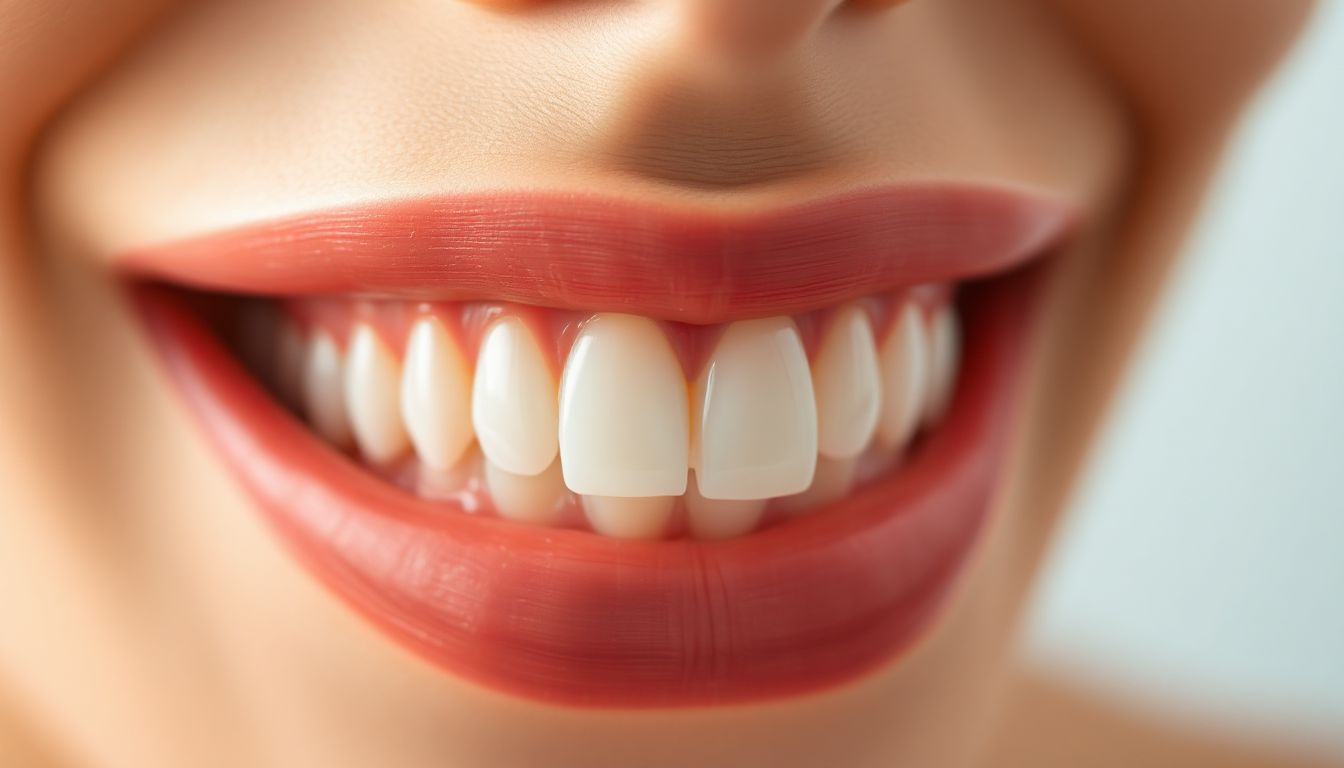
Missing teeth can have an immediate effect on daily life, including eating and speaking difficulties as well as feelings of shyness or confidence issues. People long to have full, natural-looking smiles in order to feel at their best and be at their most confident selves.
Imagine finding an easy and cost-effective solution to restore the confidence in your smile – dental veneers for missing teeth offer modern cosmetic dentistry treatments which effectively address missing tooth appearance, as well as functioning issues, which helps restore both appearance and functionality of a smile.
Understanding Missing Teeth and Their Impact
Missing teeth are an issue plaguing many. By understanding why teeth have gone missing, we can better find solutions and understand their importance for fixing gaps between our teeth.
Causes of Tooth Loss
Tooth loss may occur for various reasons. Tooth decay, usually from poor dental hygiene practices, gum disease (also called periodontal disease) destroys tissues which support teeth in place; accidents or injuries may directly knock them out; while in rare instances certain people may even be born without specific teeth–an effect called congenital absence.
Tooth loss affects people of all ages; older adults are particularly prone to experiencing tooth loss; however trauma or decay can leave younger individuals missing teeth as well.
Functional and Aesthetic Consequences
A missing tooth does more than just create a gap. It makes chewing certain foods harder. This can even affect your diet and overall nutrition. Speaking clearly can also become a challenge, changing how you sound. The remaining teeth may shift, causing problems with your bite and jaw alignment.
The visual impact of missing teeth is also significant. A visible gap can make you feel self-conscious when you smile or talk. This often leads to reduced social interaction. People might hide their smiles, affecting their personal and professional lives.
Dental Veneers: A Comprehensive Overview
Dental veneers are a popular option for improving smiles. They can address many cosmetic concerns. Understanding what they are and how they work is key.
What Are Dental Veneers?
Dental veneers are thin, custom-made shells. They are designed to cover the front surface of your teeth. Think of them as a new, beautiful front for your natural tooth. Veneers can change a tooth’s color, shape, size, or length.
These shells are typically made from two main materials. Porcelain veneers are very popular for their natural look. They reflect light much like real tooth enamel. Composite resin veneers are another option. They are made from a tooth-colored plastic material.
The Veneer Application Process
Getting veneers usually involves a few visits. First, you will have a consultation to discuss your smile goals. Next, the dentist prepares your teeth. This involves removing a tiny amount of enamel, which helps the veneer fit perfectly. Impressions of your teeth are then taken.
These impressions go to a lab where your custom veneers are crafted. You might wear temporary veneers while you wait. Once your permanent veneers are ready, the dentist bonds them to your teeth. A final check ensures a perfect fit and look. The process demands great skill for the best results.
Are Veneers Right for Missing Teeth?
You might wonder if veneers can help with missing teeth. Veneers themselves do not replace the entire missing tooth root. Instead, they can enhance adjacent teeth. This creates a uniform and full appearance. For instance, a veneer can cover a small gap or reshape surrounding teeth. This helps blend the gap into a seamless smile.
Veneers work best when only the visible portion of a tooth needs improving. They are ideal for addressing small gaps or subtly changing the look of teeth next to a missing one. Suitability also depends on where the missing tooth is. Your dentist will help decide if veneers are a good choice for your specific situation.
Advantages of Using Veneers for Missing Teeth
Choosing dental veneers for your smile offers many benefits. They can truly transform your appearance. It is a choice many people feel happy with.
Natural Appearance and Durability
Porcelain veneers are known for looking very natural. They mimic the way light bounces off real tooth enamel. This means your new smile will blend in perfectly. These veneers are also highly resistant to stains. Coffee, tea, and red wine are less likely to discolor them. With good care, porcelain veneers can last for many years. They offer a strong and beautiful solution.
Minimally Invasive Compared to Other Restorations
Compared to some other dental options, veneers require less tooth preparation. For example, dental crowns often need more enamel removed from the tooth. Dental bridges also require altering adjacent teeth to hold the prosthetic. With veneers, your dentist typically removes only a small amount of enamel from the front surface. This helps preserve more of your natural tooth structure.
Improved Smile Aesthetics and Confidence
The biggest advantage of veneers is the dramatic improvement in your smile’s look. They can correct discolored, chipped, or slightly misaligned teeth. This creates a balanced and harmonious smile. People often feel a huge boost in self-confidence after getting veneers. They feel more comfortable smiling, laughing, and talking in public. A great smile can truly change how you see yourself and how others see you.
Alternatives to Dental Veneers for Missing Teeth
While veneers offer a wonderful solution, other options exist for missing teeth. It is good to know all your choices. Each method has unique benefits.
Dental Implants
Dental implants are a long-lasting way to replace missing teeth. They involve surgically placing a titanium post into your jawbone. This post acts like an artificial tooth root. After healing, a crown is placed on top of the implant. Implants help preserve your jawbone density. They also feel and function much like natural teeth. They do not rely on neighboring teeth for support.
Dental Bridges
A dental bridge can also fill the space of one or more missing teeth. This option uses your existing teeth on either side of the gap. These “abutment” teeth are prepared for crowns. The crowns then hold an artificial tooth, or “pontic,” in place. Bridges are fixed appliances. They offer a stable way to restore your bite and smile.
Dentures (Partial)
Partial dentures are removable appliances. They consist of replacement teeth attached to a gum-colored base. They fill gaps where some natural teeth are missing. Partial dentures are custom-made to fit comfortably in your mouth. You can take them out for cleaning. While they restore some function and appearance, they might not feel as natural as fixed options.
Candidacy and Considerations for Dental Veneers
Deciding on veneers means understanding if they are right for you. Your dentist will help assess your specific needs. There are several factors to consider before moving ahead.
Who is a Good Candidate?
Good candidates for dental veneers for missing teeth usually have healthy gums and strong teeth. You should practice good daily oral hygiene. Having realistic expectations about the results is also important. Veneers are a cosmetic solution, not a fix for severe dental problems. Conditions like severe teeth grinding (bruxism) or advanced gum disease might make veneers less suitable. Your dentist will check for these issues.
The Consultation and Treatment Planning
A thorough dental examination is the first step. This visit lets your dentist check your oral health. You will also talk about your smile goals. Your dentist might use X-rays or digital imaging. These tools help create a detailed treatment plan. It is a chance to ask all your questions and feel confident in your decision.
Cost and Longevity
The cost of dental veneers varies. It depends on factors like the material used and the number of veneers. Porcelain veneers usually cost more than composite resin ones. Your dentist will give you a clear estimate. With proper care, porcelain veneers can last 10 to 15 years or even longer. Composite veneers may last 5 to 7 years. Think of them as an investment in your smile.
Caring for Your Veneers and Maintaining Oral Health
Once you have your veneers, taking good care of them is crucial. This helps them last longer and keeps your smile bright. Good oral habits protect both your veneers and your natural teeth.
Daily Oral Hygiene Practices
Continue brushing your teeth twice a day. Use a non-abrasive toothpaste. Flossing daily is also very important. Pay close attention to the areas around your veneer margins. This helps prevent gum disease. You can also use an antiseptic mouthwash for added freshness. Gentle cleaning keeps your veneers looking new.
Protective Measures and Maintenance
Avoid chewing hard items such as ice or hard candies and using your teeth to open packages; these habits could damage or chip veneers. If you grind your teeth overnight, a night guard might also be recommended by your dentist. Likewise, regular dental check-ups with an expert dentist are key as this allows them to monitor both the condition of your veneers as well as check on overall oral health issues.
When to See Your Dentist
Be wary of any changes with your veneers. If you detect chips, cracks or looseness with one or more veneered teeth, contact your dentist right away – especially pain or sensitivity around one. Addressing problems quickly is key in maintaining beautiful smiles; so partner with them!
Conclusion
Dental veneers for missing teeth provide an effective means of improving smiles, especially those affected by missing teeth. With natural looking surfaces and lasting durability – and less invasive procedure compared to some alternatives – veneers enhance both beauty and confidence in smiles alike.
Thinking about veneers means speaking to an experienced dentist. Together you can explore all available options and select one best suited to you and your specific requirements. Take the first step toward attaining that beautiful smile you so desire!