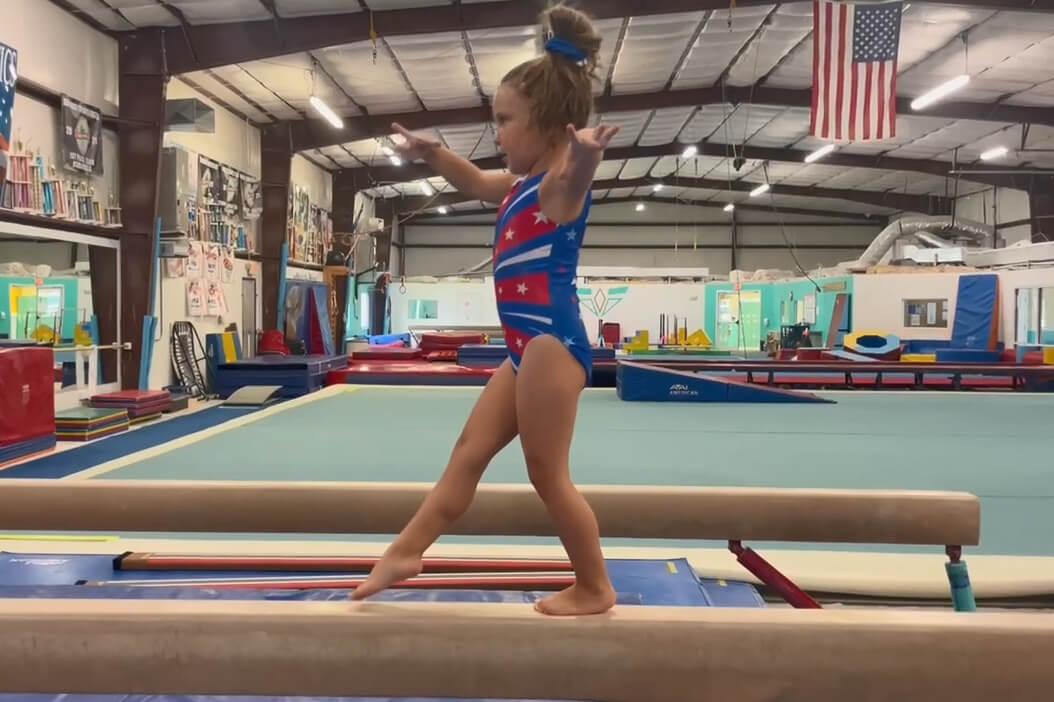
When it comes to activewear, especially for activities like dance, gymnastics, or even yoga, the choice between a unitard and a leotard can seem daunting. Both garments offer unique benefits, and understanding these can help you make the right choice for your performance or practice needs. In this guide, we’ll explore the differences between unitards and leotards, delve into the various types of leotards available, and help you decide which one is perfect for your wardrobe.

What is a Unitard?

Unitard vs. Leotard: Key Differences
The choice between a unitard and a leotard often depends on the activity you’re engaging in and personal comfort preferences. Here are some key differences to consider:
Coverage
- Leotard: Offers minimal coverage, leaving legs exposed. This can be advantageous for activities requiring maximum leg movement and flexibility.
- Unitard: Provides full-body coverage, which can be beneficial for activities in cooler environments or for those who prefer more modest attire.
Versatility
- Leotard: Can be paired with skirts, shorts, or leggings, making it a versatile choice for various occasions beyond just performance.
- Unitard: Often worn alone, a unitard can serve as a complete outfit, especially in professional settings or competitions.
Comfort
- Leotard: May offer more breathability, particularly in warm conditions, due to less fabric.
- Unitard: Provides a snug fit that can enhance performance by keeping muscles warm and supported.
Types of Leotards
Leotards come in numerous styles, each suited to different activities and aesthetic preferences. Understanding these variations can help you choose the right leotard for your needs.
Sleeveless Leotards
Sleeveless leotards are popular for their freedom of movement and are often used in dance and gymnastics. They allow for maximum arm mobility, which is crucial for many routines.
Short-Sleeve and Long-Sleeve Leotards
These styles offer more coverage and can be ideal for cooler practice environments or when a more formal appearance is required. Long-sleeve leotards can also add a touch of elegance to a performance.
Camisole Leotards
Featuring thin straps, camisole leotards provide a delicate and feminine look. They’re often favored in ballet for their sleek lines and minimal distraction.
Turtleneck Leotards
Turtleneck leotards offer a sophisticated appearance and additional coverage around the neck. They are often used in formal dance performances or competitions.
Backless and Cut-Out Leotards
For those seeking a modern twist, backless or cut-out designs add a stylish element to traditional leotard designs. These are popular in contemporary dance and fashion-forward settings.
Choosing Between a Unitard and a Leotard

When deciding between a unitard and a leotard, consider the following factors:
Activity Type
- Dance: Both unitards and leotards can be suitable, but leotards paired with skirts or shorts are often preferred for ballet and modern dance.
- Gymnastics: Leotards are typically favored for their flexibility and ease of movement.
- Exercise: For activities like yoga or aerobics, both can be appropriate. Unitards may offer extra warmth during cooler months.
Personal Comfort
Your comfort is paramount. Consider how each garment feels and how it impacts your performance. If you prefer less fabric, a leotard might be the better choice. For those who desire more coverage or support, a unitard could be the way to go.
Aesthetic Preference
Finally, consider the look you wish to achieve. Leotards offer more opportunities for layering and can be more versatile for day-to-day wear. Unitards, however, present a sleek, streamlined appearance that many find appealing for professional settings.
Conclusion
Choosing between a unitard and a leotard involves understanding your personal needs and the demands of your chosen activity. Whether you opt for the minimalistic appeal of a leotard or the comprehensive coverage of a unitard, both garments offer unique advantages that can enhance your performance and comfort.
By exploring the various styles and considering your own preferences, you can make an informed decision that supports your athletic and aesthetic goals. Whether in a dance studio, a gymnastics arena, or a yoga class, the right choice of attire can make all the difference.